The Ins and Outs of Loans: Browsing Your Financing Choices With Confidence
Maneuvering the complex landscape of loans requires a clear understanding of numerous types and essential terms. Lots of people locate themselves bewildered by alternatives such as personal, vehicle, and trainee loans, in addition to crucial ideas like passion rates and APR. An understanding of these basics not only help in examining monetary needs yet also enhances the loan application experience. There are substantial factors and typical challenges that debtors ought to recognize prior to continuing even more.
Comprehending Various Kinds Of Loans
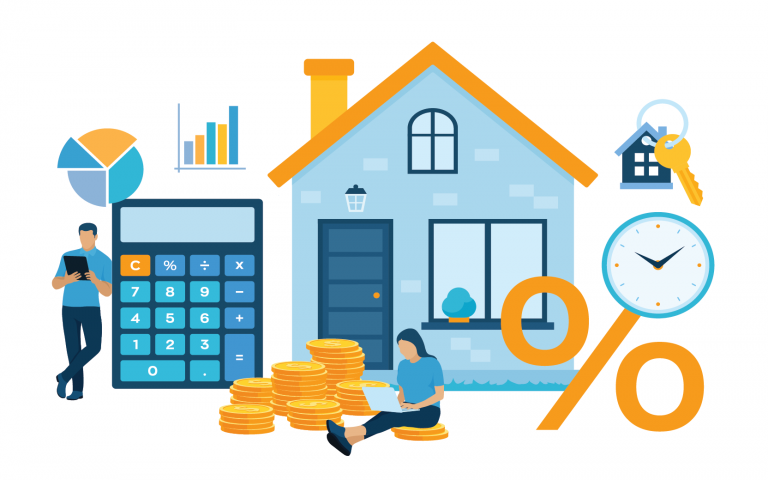
Loans function as crucial financial tools that accommodate various needs and objectives. Companies and individuals can select from several kinds of loans, each designed to fulfill specific demands. Individual loans, usually unsafe, provide consumers with funds for various personal expenditures, while vehicle loans allow the acquisition of vehicles through protected financing.
Mortgage, or home mortgages, aid buyers in getting residential or commercial property, typically including long payment terms and certain rate of interest prices. Pupil loans, targeted at funding education, frequently come with lower interest prices and deferred settlement alternatives up until after college graduation.
For services, industrial loans supply essential funding for development, tools acquisitions, or operational prices. Furthermore, copyright offer quick cash solutions for immediate needs, albeit with greater interest prices. Understanding the different kinds of loans permits debtors to make educated choices that straighten with their financial objectives and situations.
Secret Terms and Principles You Should Know
When steering loans, comprehending essential terms and ideas is important. Rate of interest play an essential duty in identifying the expense of borrowing, while different loan types accommodate numerous monetary demands. Familiarity with these elements can equip individuals to make informed choices.
Passion Rates Explained
How do rate of interest influence loaning choices? Rate of interest represent the expense of obtaining money and are an essential consider economic decision-making. A greater rates of interest boosts the general price of a loan, making loaning much less appealing, while reduced rates can incentivize borrowers to take on financial debt. Lenders use rates of interest to mitigate threat, mirroring consumers' creditworthiness and dominating financial conditions - Installment Loans. Dealt with rate of interest stay consistent throughout the loan term, offering predictability, whereas variable rates can vary, potentially resulting in higher payments over time. In addition, comprehending the yearly percentage price (APR) is crucial, as it incorporates not simply interest yet additionally any kind of linked fees, supplying a complete sight of borrowing expenses
Loan Keys In Summary
Maneuvering the landscape of loan types is important for consumers looking for one of the most appropriate funding alternatives. Understanding different loan types aids people make educated choices. Individual loans are typically unsecured, ideal for settling debt or funding individual projects. Home mortgages, on the other hand, are secured loans specifically for purchasing property. Auto loans offer a similar purpose, financing car acquisitions with the vehicle as collateral. Organization loans accommodate entrepreneurs requiring resources for procedures or expansion. One more choice, student loans, assist in covering instructional expenses, typically with favorable repayment terms. Each loan kind provides distinct terms, rate of interest, and eligibility standards, making it vital for debtors to assess their financial requirements and capabilities before committing.
The Loan Application Process Explained
What actions must one take to efficiently navigate the loan application procedure? First, people should assess their monetary demands and figure out the type of loan that straightens with those demands. Next off, they ought to evaluate their credit record to validate precision and recognize areas for enhancement, as this can affect loan terms.
Following this, borrowers need to gather necessary documents, consisting of evidence of income, employment background, and monetary statements. Once prepared, they can approach loan providers to inquire regarding loan products and rate of interest.
After selecting a loan provider, finishing the application properly is vital, as omissions or mistakes can delay handling.
Candidates ought to be all set for possible follow-up demands from the lending institution, such as additional documentation or clarification. By following these steps, individuals can boost their chances of a efficient and smooth loan application experience.
Aspects That Impact Your Loan Approval
When considering loan authorization, several important aspects enter play. Two of the most considerable are the credit rating and the debt-to-income proportion, both of which provide loan providers with insight into the consumer's economic stability. Understanding these elements can greatly enhance a candidate's possibilities of website protecting the wanted financing.
Credit Score Relevance
A credit score offers as a crucial standard in the loan approval procedure, influencing loan providers' perceptions of a borrower's monetary dependability. Commonly varying from 300 to 850, a greater rating shows a background of accountable credit rating usage, including timely payments and reduced credit score application. Different aspects add to this rating, such as repayment background, size of credit scores history, types of charge account, and recent debt inquiries. Lenders make use of these ratings to examine threat, figuring out loan terms, interest prices, and the chance of default. A solid credit report not just improves authorization possibilities but can also cause much more favorable loan problems. Conversely, a low score might result in higher rates of interest or denial of the loan application entirely.
Debt-to-Income Proportion
Several lending institutions take into consideration the debt-to-income (DTI) proportion an essential facet of the loan approval process. This economic metric compares a person's monthly financial obligation settlements to their gross regular monthly earnings, giving understanding right into their ability to manage added financial obligation. A lower DTI proportion indicates a healthier monetary situation, making borrowers more attractive to lending institutions. Variables affecting the DTI ratio consist of housing prices, charge card balances, student loans, and other recurring expenses. Furthermore, adjustments in revenue, such as promotions or job loss, can considerably impact DTI. Lenders generally prefer a DTI ratio listed below 43%, although this limit can vary. Handling and comprehending one's DTI can boost the possibilities of protecting beneficial loan terms and interest rates.
Tips for Handling Your Loan Sensibly

Common Mistakes to Prevent When Taking Out a Loan
Furthermore, numerous individuals hurry to accept the first loan offer without contrasting alternatives. This can cause missed out on opportunities for better terms or lower prices. Borrowers ought to likewise stay clear of taking on loans for unneeded expenditures, as this can lead to long-term debt issues. Finally, neglecting to examine their credit history can prevent their capacity to safeguard desirable loan terms. By being mindful of these pitfalls, customers can make informed choices and navigate the loan procedure with higher confidence.
Often Asked Questions
Exactly How Can I Improve My Credit Score Prior To Making An Application For a Loan?
To boost a credit score before requesting a loan, one need to pay expenses on time, minimize exceptional financial debts, inspect credit score records for mistakes, and avoid opening new charge account. Consistent economic behaviors yield positive results.
What Should I Do if My Loan Application Is Refuted?
Are There Any Kind Of Charges Related To Loan Early Repayment?
Lending prepayment charges may apply, relying on the lending institution and loan type. Some loans include penalties for early repayment, while others do not. It is essential for debtors to evaluate their loan contract for specific terms.
Can I Bargain Loan Terms With My Lending institution?
Yes, borrowers can work out loan terms with their loan providers. Elements like credit history score, settlement history, and market problems might affect the loan provider's desire to customize rates of interest, settlement timetables, or costs linked with the loan.
How Do Rate Of Interest Influence My Loan Repayments With Time?
Rate of interest substantially influence loan settlements. Higher prices cause increased month-to-month settlements and overall passion prices, whereas reduced rates decrease these expenses, eventually impacting the borrower's total economic concern throughout the loan's period.
Many people locate themselves bewildered by choices such as individual, car, and pupil loans, as well as essential principles like interest rates and APR. Passion rates play a vital role in identifying the price of borrowing, while different loan kinds cater to various financial requirements. A greater rate of interest rate raises the general price of a loan, making loaning less enticing, while reduced prices can incentivize debtors to take on financial debt. Fixed interest prices remain constant throughout the loan term, offering predictability, whereas variable rates can fluctuate, possibly leading to higher repayments over time. Lending prepayment fees may use, depending on the lending institution and loan kind.